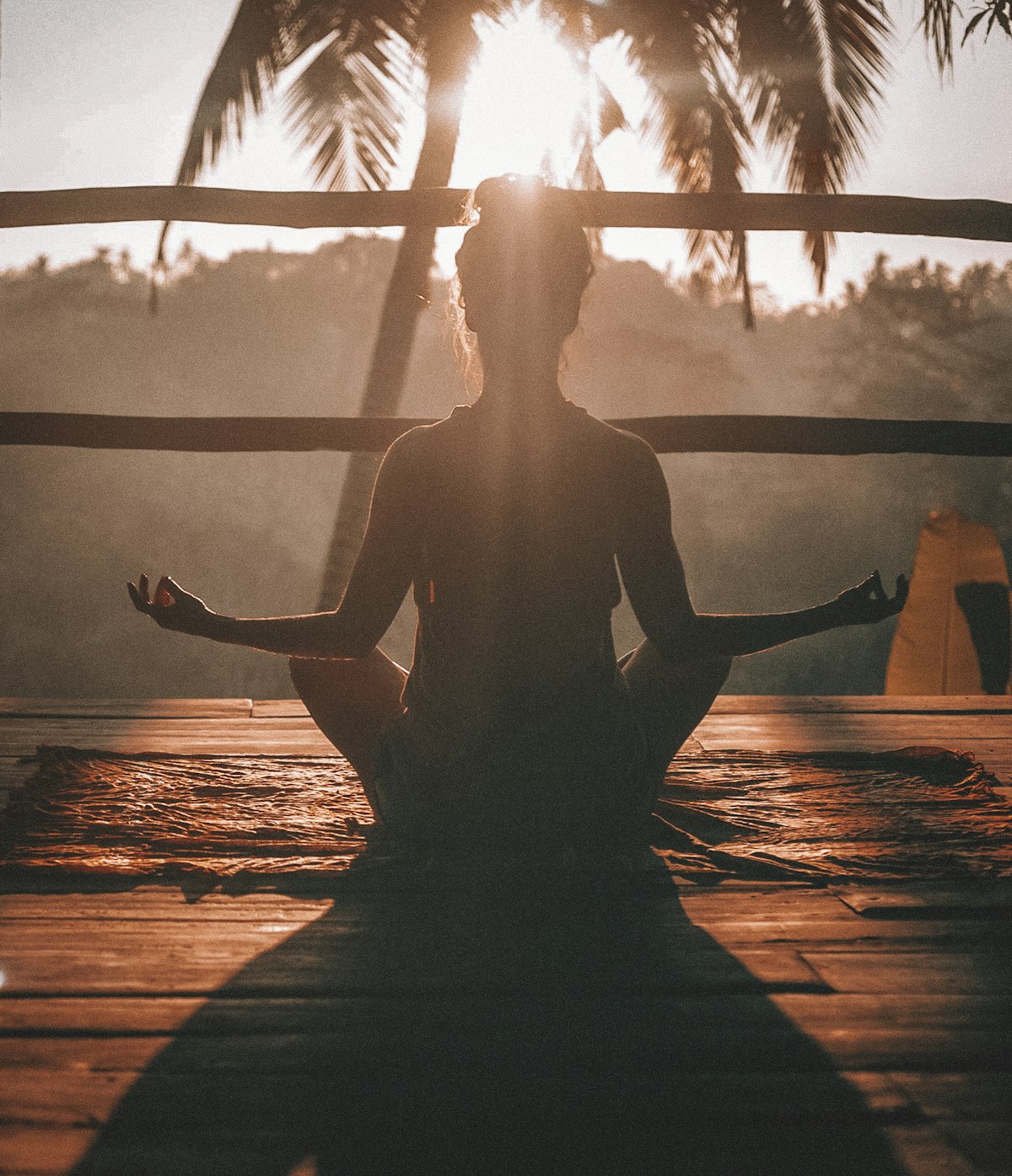
Why Yoga Is More Than Just Exercise
Yoga is now practiced by over 300 million people worldwide, according to WHO. But beyond the physical postures, what does the research say about yoga’s effect on stress?
What Science Says About Yoga and Stress
Multiple studies published in PubMed Central have examined yoga’s impact on stress markers:
Cortisol Reduction: Several peer-reviewed studies show that regular yoga practice significantly reduces salivary cortisol levels—the body’s primary stress hormone. A 2019 meta-analysis found that yoga interventions reduced cortisol by an average of 18-32% compared to control groups.
Heart Rate Variability (HRV): Research published in the Journal of Clinical Psychiatry found that yoga practitioners show improved HRV—a key indicator of the body’s ability to handle stress.
Perceived Stress Scales: Studies using standardized psychological assessments consistently show 30-50% reductions in perceived stress scores after 8-12 weeks of regular yoga practice.
Where Does This Stress Relief Come From?
Research suggests yoga works through multiple pathways:
-
Breath Focus: Pranayama (breathing exercises) directly activate the parasympathetic nervous system, reducing the “fight or flight” response.
-
Mindfulness Component: The meditative aspects of yoga increase present-moment awareness, breaking cycles of anxious rumination.
-
Physical Activity: Moderate physical activity itself reduces stress hormones and increases endorphins.
When Should Beginners Start?
Start immediately—you don’t need to be flexible or physically fit to begin. Research shows that even chair yoga and gentle restorative practices provide measurable stress benefits for beginners.
Key finding from CDC data: Adults who practice yoga 2-3 times per week report 40% lower stress levels than those who don’t exercise at all.
How to Incorporate Yoga for Stress Relief
- Start with 15-20 minutes, 2-3 times per week
- Focus on breath: Even 5 minutes of conscious breathing has measurable effects
- Don’t push physical limits: Gentle practice is as effective for stress as intense vinyasa
- Consistency matters more than intensity: A short daily practice beats a long weekly one
Important Caveats
While the research is promising, yoga should complement—not replace—professional mental health care when needed. If you experience chronic stress, anxiety, or depression, consult a healthcare provider.
Sources: PMC (PubMed Central), World Health Organization (WHO)