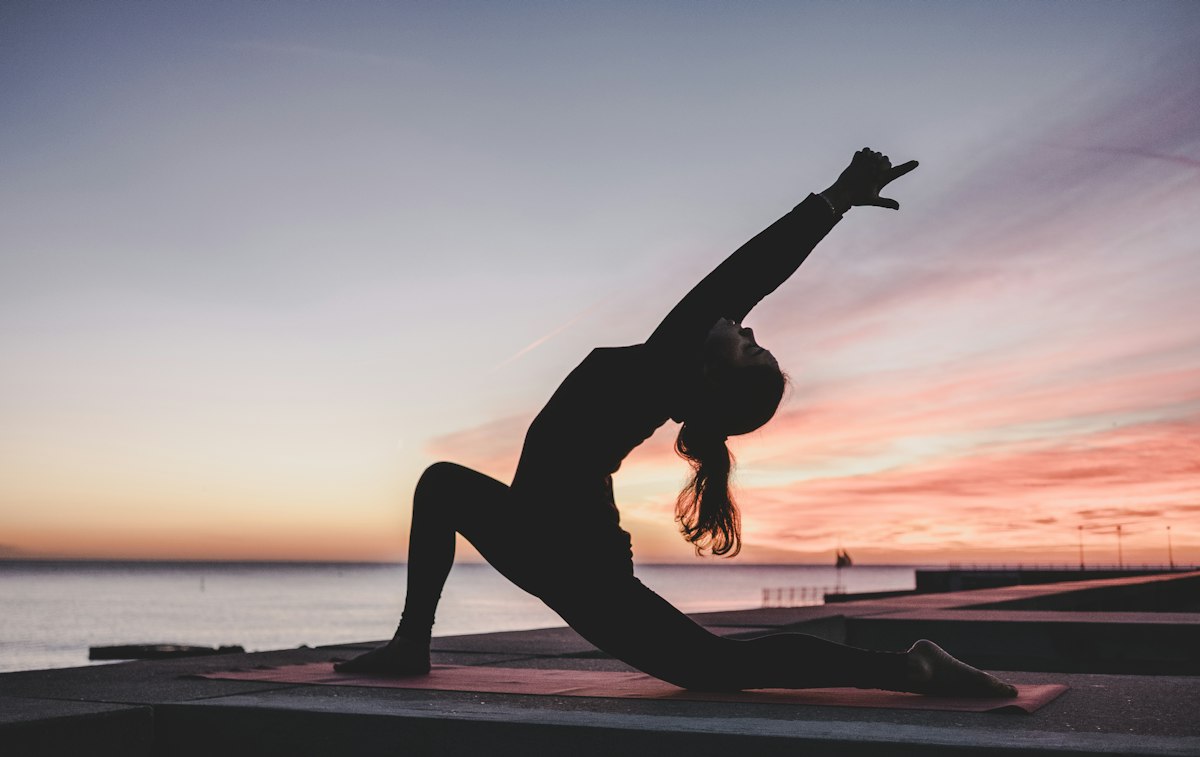
Where to Find Your First Yoga Class
Finding the right first class can feel overwhelming. Here’s a practical guide based on Yoga Alliance recommendations for beginners.
Studio vs. Online: Where Should You Begin?
In-Studio Classes are recommended for your first yoga experience because:
- An instructor can physically adjust your alignment
- Group energy can be motivating
- No distractions from your environment
- According to Yoga Alliance, beginners benefit most from live instruction
Online Classes work well once you understand basic alignment. Good for:
- Home practice when confident with basics
- Gentler/restorative styles
- Supplementing studio work
What to Look For in a Beginner Studio
According to Yoga Alliance guidelines, a quality beginner yoga class should:
- Clearly state it’s for beginners
- Offer modifications for different body types
- Explain the purpose of each pose
- Never force you into painful positions
- Provide clear safety instructions
Red Flags at a Studio
- Instructors who don’t introduce themselves or ask about injuries
- Classes described as “hot yoga” when you’re just starting
- No mention of breathing or meditation (only physical poses)
- Pressure to buy packages before trying a class
When to Arrive and What to Bring
Arrive 10-15 minutes early for your first class. This gives you time to:
- Introduce yourself to the instructor
- Mention any injuries or physical limitations
- Ask questions about what to expect
- Use the restroom
What to Bring:
- Comfortable, breathable clothing (you’ll move a lot)
- Water bottle
- Yoga mat (most studios provide, but your own is hygienic)
- Small towel
How to Prepare Your Body
Before Class
- Eat lightly: Have a small snack 1-2 hours before, not a heavy meal
- Hydrate: Drink water throughout the day, not just during class
- Communicate: Tell your instructor about any injuries, pregnancies, or physical limitations
During Class
- Honor your body: Never force a position. “Half is more” is a real principle in yoga.
- Use props: Blocks, straps, and blankets aren’t crutches—they’re tools for proper alignment.
- Breathe: If you can’t breathe smoothly in a pose, back off. Breath is your guide.
What to Expect in Your First Class
A typical 60-minute beginner class follows this flow:
- Centering (2-3 min): Sitting, breathing, setting intention
- Warm-up (5-10 min): Gentle movements to prepare joints
- Sun Salutations (10-15 min): Foundational sequence
- Standing Poses (15-20 min): Building strength and balance
- Seated Poses (10-15 min): Floor work, stretches
- Final Rest (5 min): Corpse pose (Savasana)
How to Know If You Found the Right Class
Signs of a good beginner class:
- You felt challenged but not overwhelmed
- The instructor offered modifications
- You left feeling better than when you arrived
- You want to come back
Sources: Yoga Alliance, CDC Physical Activity Guidelines